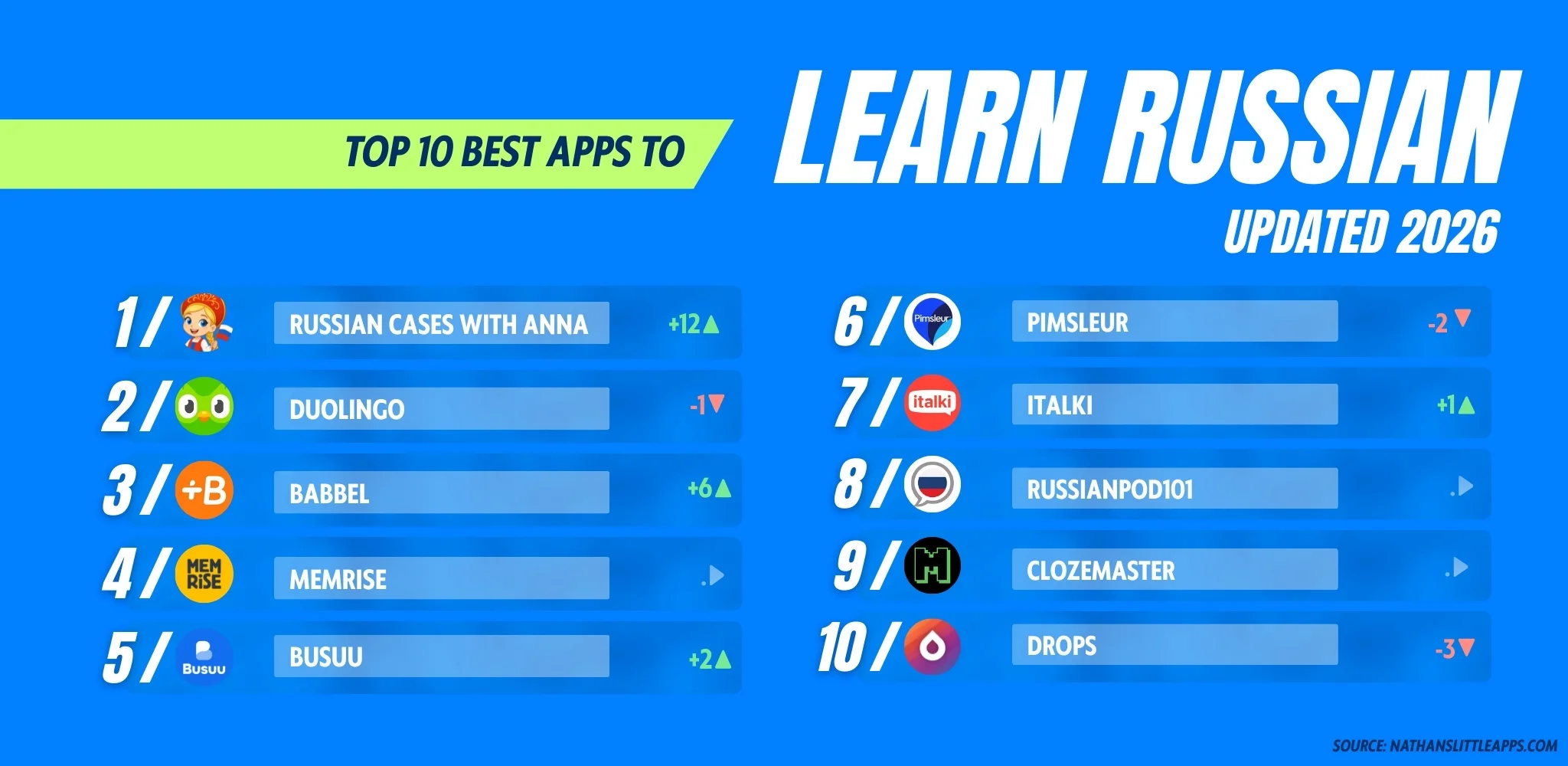
Top 11 Apps to Learn Russian in 2026: Deep Reviews & Rankings
Learning Russian in 2026 no longer looks like a dusty textbook and a red-pen workbook. Speech recognition, spaced-repetition titans, AI conversation partners, and specialist grammar drills are mainstream—which is exciting until you realise more apps means harder choices, not simpler ones.
The App Store and Play Store are crowded with Russian products, each promising fluency on a tight schedule. The real risk is not downloading a "bad" app; it is losing months to the wrong stack for your goal—pretty streaks when you need disciplined case practice, or endless gamification when what you actually need is endings you can deploy under pressure in real sentences.
We have spent 100+ hours testing the latest updates, flagship courses, tutor marketplaces, and niche drill tools to bring you a definitive ranking of the best Russian learning apps this year. We stress-tested more than thirty iOS, Android, and web tools—subscriptions, freemium giants, audio-first programmes, community-feedback apps, and case-focused trainers—and narrowed the field to eleven you can trust. The picks below are mapped to how people actually study: daily habit, structured scenarios, Russian cases and declensions, human tutoring, audio-first learning, memory-driven vocabulary, story and podcast immersion, and fast pattern practice once the basics stick.
If your bottleneck is Russian cases (not tourist phrases alone), start with our method piece: How to practice Russian cases: five methods, drills & a weekly habit—then come back here to choose apps that match how you really learn.

We've ranked the top Russian learning apps — 2026 📱 🇷🇺


 Russian Cases
with Anna






Quick comparison: 2026 top picks
These three apps stack well together: a daily habit builder, a structured course, and a specialist for cases and declensions — without juggling ten subscriptions.
| App logo | Rank | App | Best for |
|---|---|---|---|
| #1 | Duolingo | Gamified daily habit — short lessons, streaks, and a gentle on-ramp to Cyrillic and basic patterns when consistency matters most. |
| #2 | Babbel | Structured scenarios & explanations — clear grammar in context, quality audio, and practical phrases for travel and everyday Russian. |
| #3 | Russian Cases with Anna | Russian cases & declensions — your best bet for finally mastering the six-case system and noun declensions; the perfect complement to Duolingo, Babbel, or any general Russian app — stack a specialist on top of your daily habit, not a second full curriculum. |
All 11 apps at a glance
Use this table as a quick map of every mobile app in our 2026 ranking—whether your priority is a daily Russian habit, structured grammar lessons, cases and declensions, listening with native speakers, writing feedback, live tutoring, or fast vocabulary bursts. Each row states what that tool does best so you can shortlist apps that match your level and goals before the in-depth reviews below.
| App logo | App | Best for |
|---|---|---|
| Duolingo | Daily habit & beginner basics |
| Babbel | Structured course & clear grammar |
| Russian Cases with Anna | Finally mastering cases & declensions; ideal complement to your main app |
| Memrise | Listening to real speakers |
| Busuu | Community feedback on writing |
| Pimsleur | Audio-first accent & speaking |
| Rosetta Stone | Zero-translation immersion, building intuition |
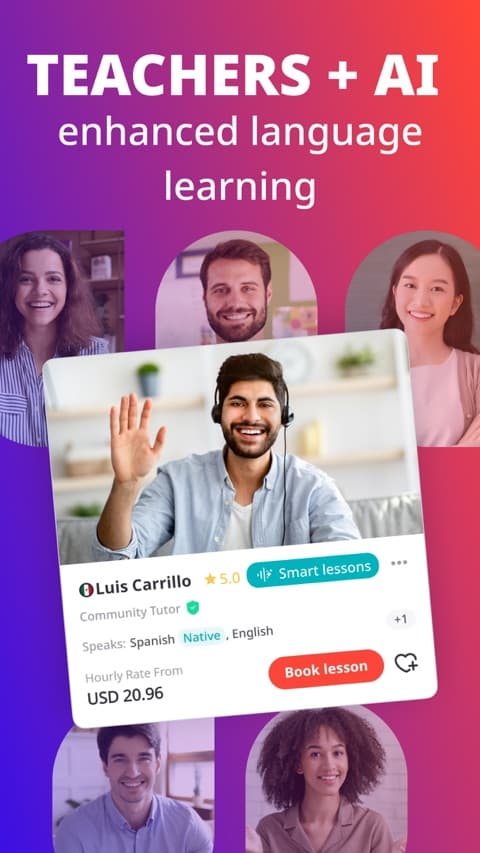
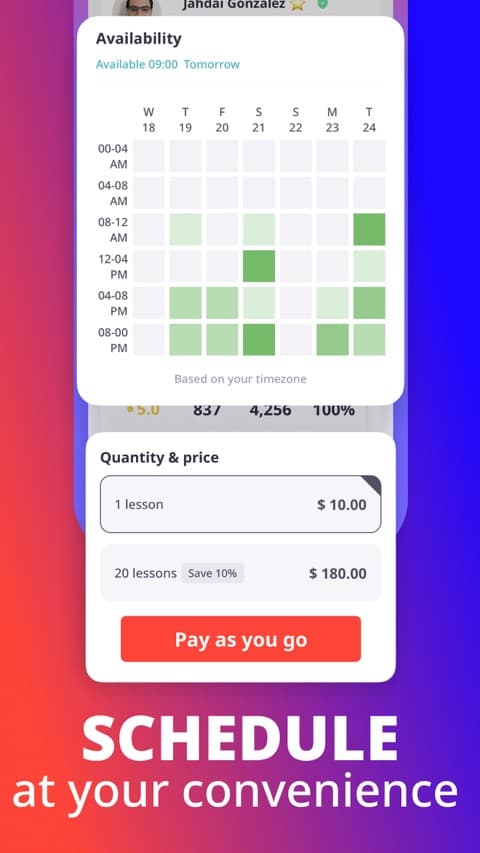
| italki | 1-on-1 lessons with tutors |
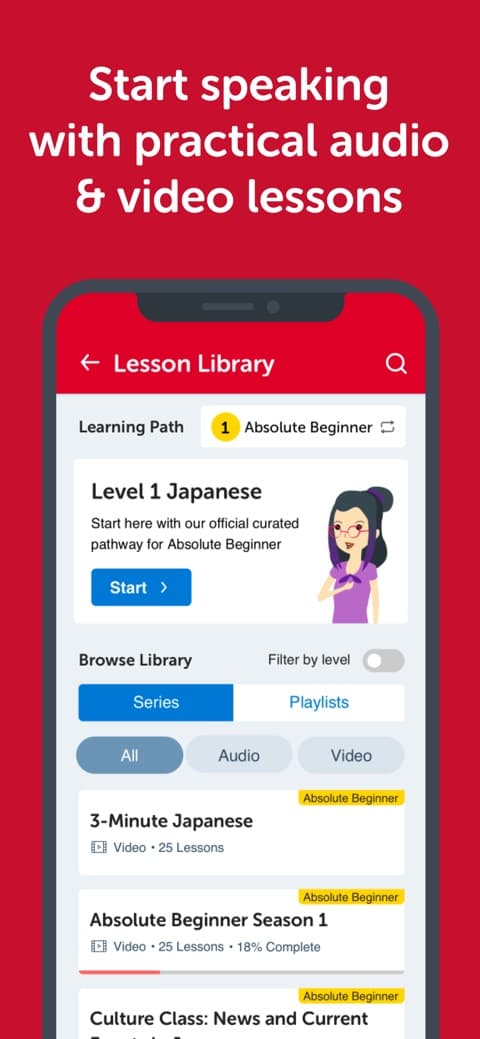
| RussianPod101 | Huge podcast-style library |
| Clozemaster | Intermediate sentence exposure |
| Drops | Visual vocabulary bursts |
In-depth reviews
Below, we go deeper into each app — strengths, trade-offs, and who it fits best for learners focused on Russian cases and beyond.
Duolingo: The Best When You Are Starting
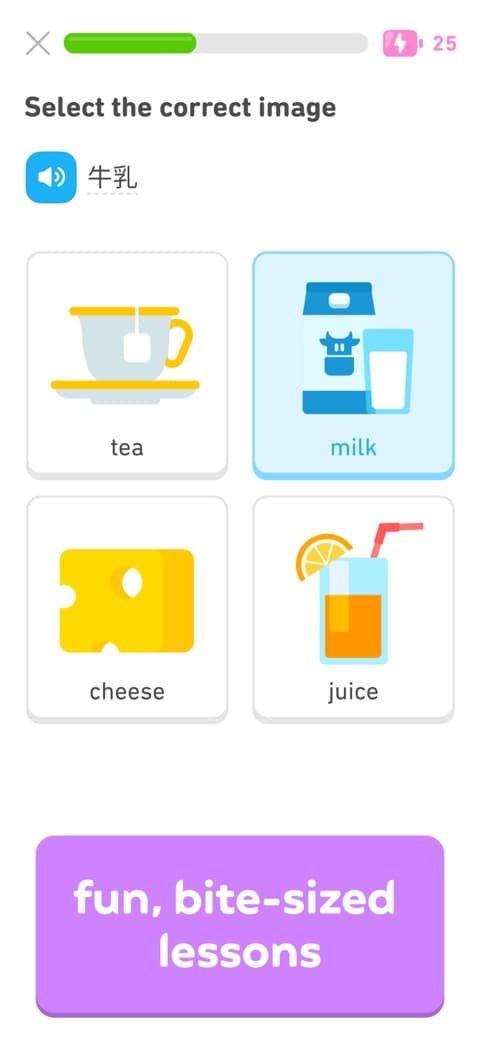
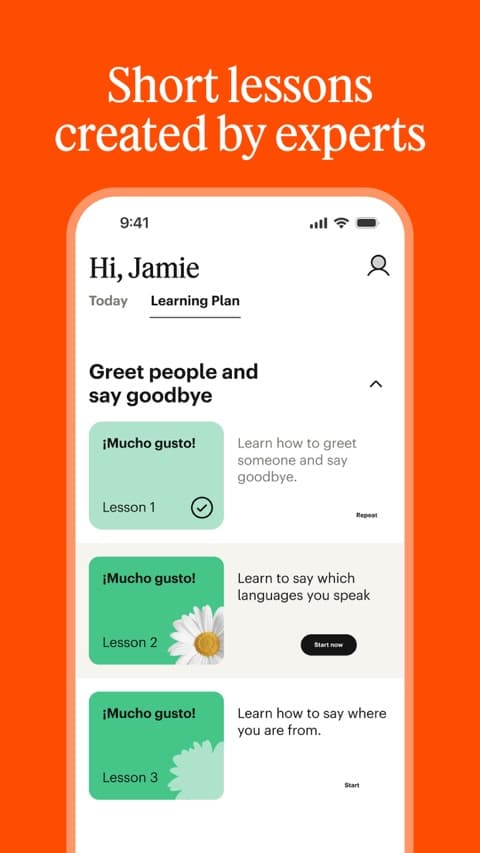
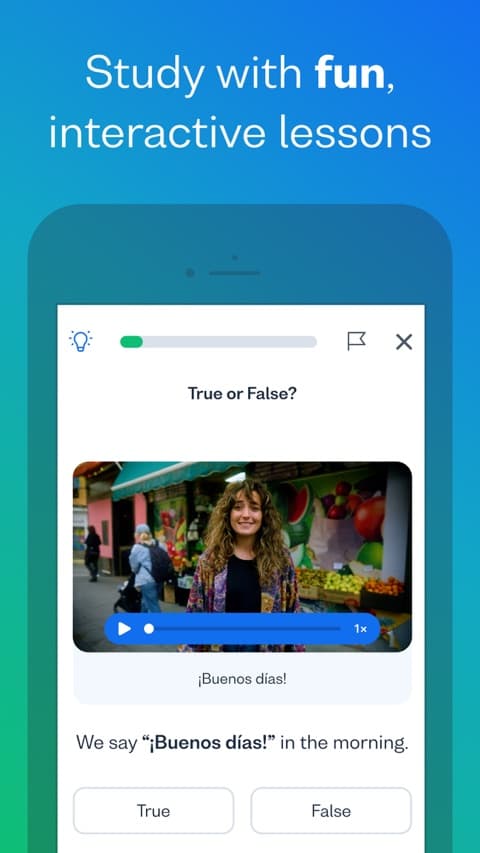
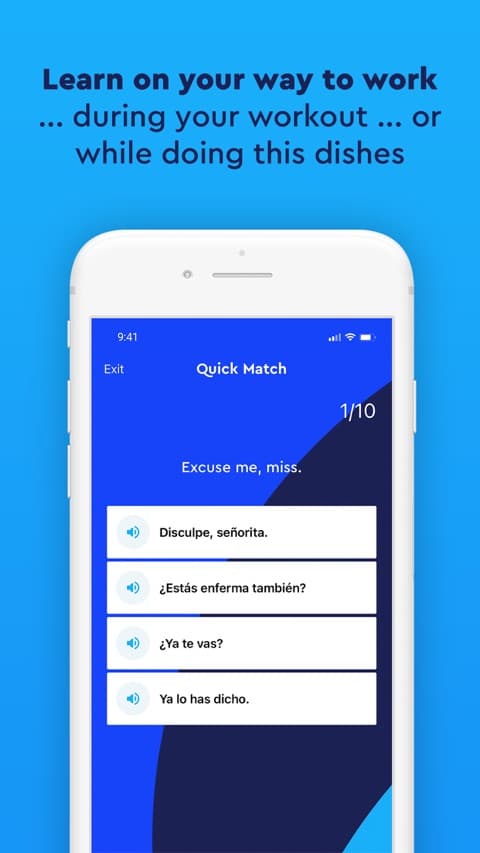
Duolingo remains the most famous gateway into the Russian language. It turns learning into a game — streaks, leagues, and bite-sized lessons make it hard to skip a day. The Path redesign added more listening and reading, but the core loop is still taps, translations, and matching.
For Russian specifically, you will internalize Cyrillic, survival phrases, and a *feel* for how sentences look on the screen. What you will not get is a systematic tour of the six cases or deep explanations of why endings change — patterns appear through repetition, not rules. That is fine for week one; serious grammar still belongs in a second app.
Pricing (2026)
- Model: Free + subscription — start with a free tier (often with limits or ads) and subscribe in-app for more. We do not list prices here — they vary by region and plan.
The verdict: Our pick for daily habit and a gentle on-ramp to Russian. Use it as an anchor, not your only textbook.
Pros
- Strong gamification and retention — the app actually wants you back tomorrow
- Polished UX; sessions are short enough for a commute or coffee break
- Introduces Cyrillic and basic vocabulary with almost zero friction
Cons
- Grammar explanations stay shallow for a language that rewards depth
- Some sentences feel silly or unnatural in real Russian
- Speaking and writing practice are thin compared with tutor-led tools
Editorial ranking: 5 out of 5 starsBabbel: A Solid Pick for Grammar
Babbel sits in the sweet spot between "phrasebook app" and "serious courseware." Lessons are scenario-driven: you hear a dialogue, unpack the grammar, then drill it in exercises. Russian case endings show up in context — accusative for direct objects, prepositional for location — instead of abstract tables dumped on you on day one.
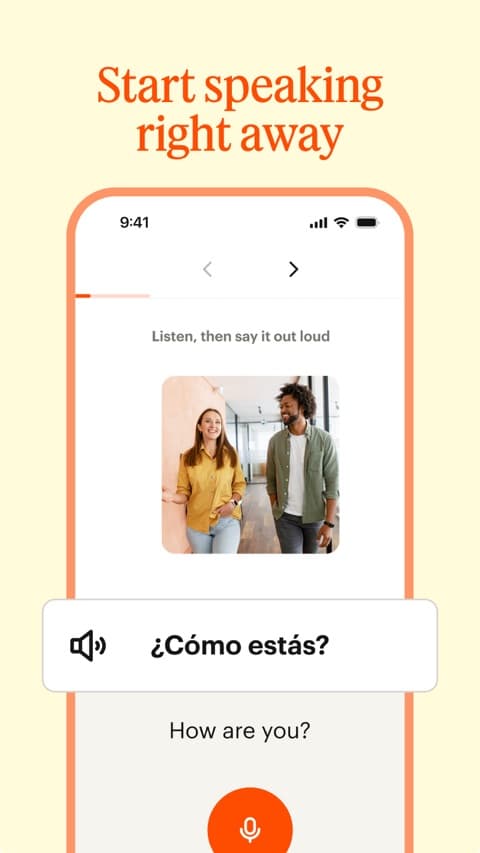
Speech recognition is baked in, which matters because Russian stress and vowel reduction are tricky for English speakers. You will not become a novelist here, but you will understand *why* a sentence is built the way it is far more often than in pure gamified apps.
Pricing (2026)
- Model: Subscription-based — full access through paid plans; short trials or previews may exist. We do not list prices here.
The verdict: The best structured all-rounder in this list for adults who want clear explanations without going back to university.
Pros
- Grammar is woven into dialogues — rules land when you need them
- Solid coverage of cases, conjugation, and word order for A1–B1-ish learners
- High-quality native audio and realistic travel/everyday scenarios
Cons
- Paid subscription required for meaningful progress
- Case coverage is broad but not exhaustive — power users still outgrow it
- Some learners find the pacing repetitive after the intermediate hump
Editorial ranking: 5 out of 5 starsRussian Cases with Anna: The Specialist's Choice to Learn Grammar
Full disclosure: Russian Cases with Anna is our app — reviewed here with the same criteria as every other tool on this list, pros and cons included.
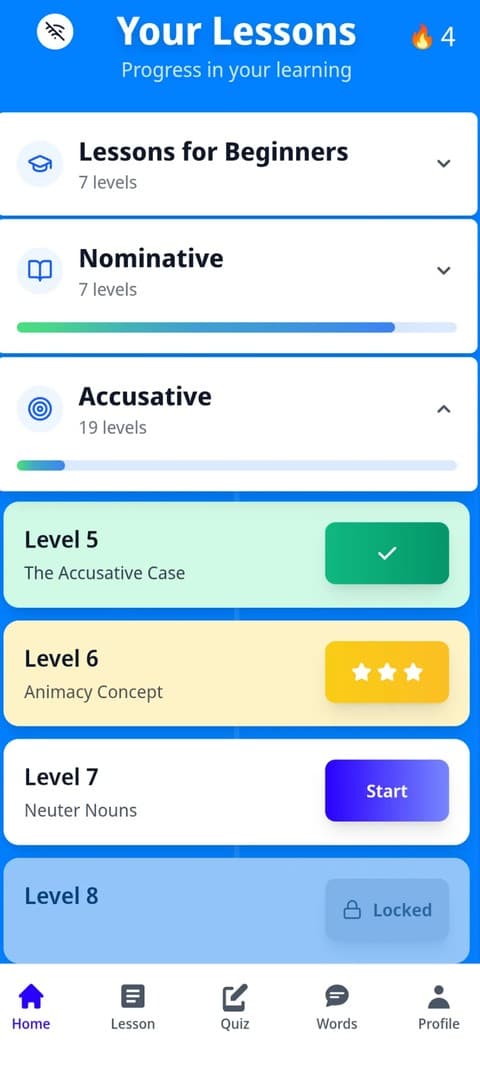
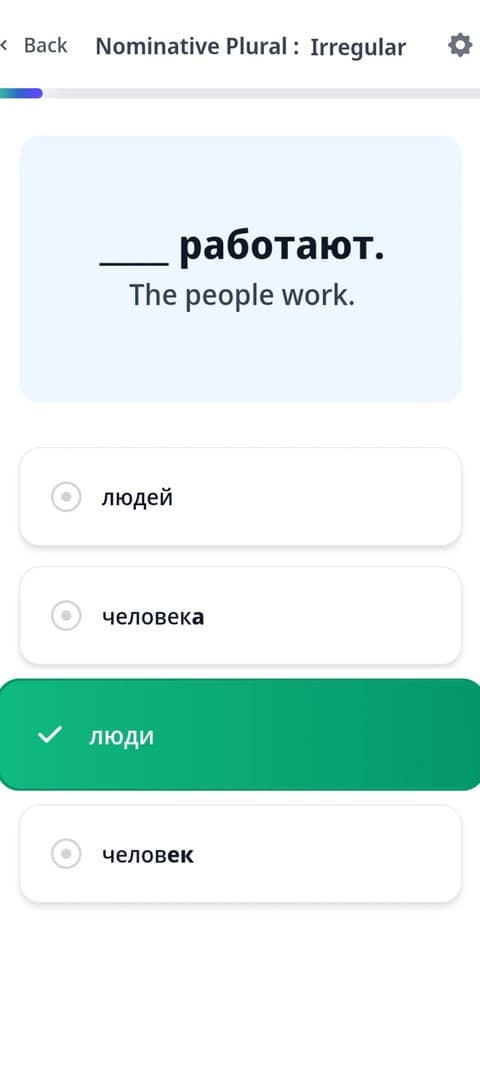
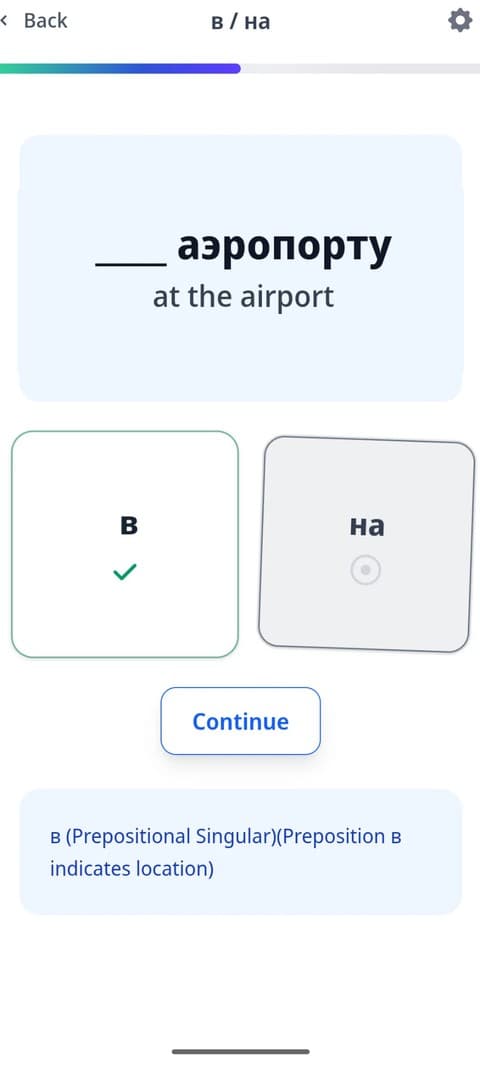
If your north star is Russian cases and declensions, this app is built for you. Other tools mention cases in passing; Russian Cases with Anna centers the whole product on them: short grammar capsules, then fast quizzes on real nouns in singular and plural. Weak spots surface in your stats so review sessions actually target what you miss.
The free online declension quiz on russiandeclensions.com mirrors the same idea in the browser — handy when you want five focused minutes without installing anything. Pair it with a general course (Babbel, Busuu) and you finally get the "rules + drills" loop Russian demands.
Pricing (2026)
- Model: Free + optional premium in the app; free web quiz on russiandeclensions.com, no account. We do not list prices here.
The verdict: The deepest specialist in this ranking for cases — keep it open next to any broader app.
Pros
- Purpose-built for all six cases with structured lessons + quizzes
- 400+ nouns with singular/plural declension tables — rare depth on mobile
- Tracks accuracy per case so review time is not wasted
Cons
- Laser-focused on grammar — you still want listening/speaking elsewhere
- Not a full phrasebook or travel conversation simulator on its own
Editorial ranking: 5 out of 5 stars
Memrise: Learn from Real Locals
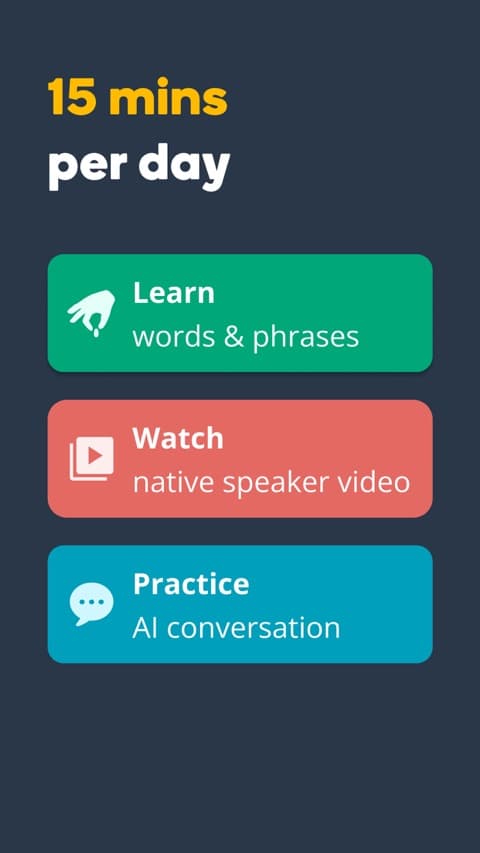
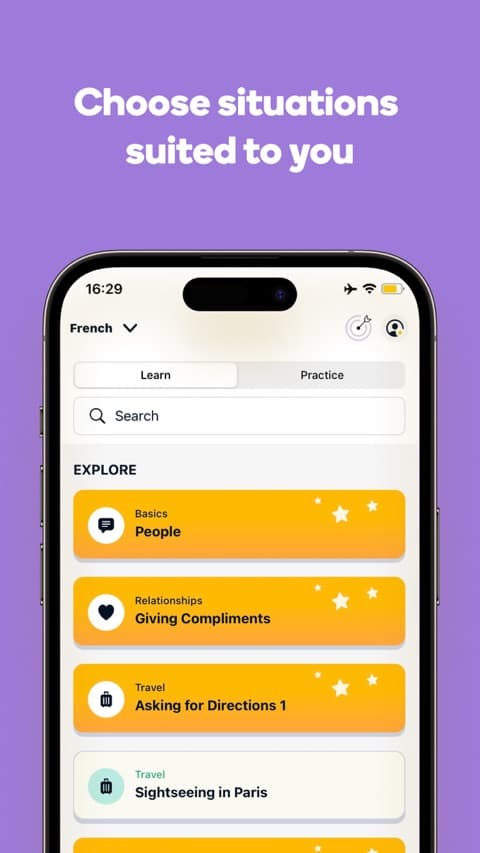
Memrise is best understood as SRS vocabulary plus ears. Official Russian courses mix classic flashcards with "Learn with Locals" — short smartphone clips of native speakers in real settings. You hear hesitation, filler words, and multiple accents: exactly what textbooks smooth away.
Grammar is present, but it is not the headline. You will memorize chunks and notice endings over time, yet you will still want a dedicated grammar app if cases are your pain point. Where Memrise shines is turning listening from "exam audio" into something human and addictive.
Pricing (2026)
- Model: Free + subscription — start with a free tier (often with limits or ads) and subscribe in-app for more. We do not list prices here — they vary by region and plan.
The verdict: A top-tier listening and chunk acquisition companion — stack it with a grammar-first tool.
Pros
- Native video clips beat synthetic voices for attuning your ear
- SRS scheduling keeps weak words in rotation automatically
- Great for everyday phrases, small talk, and pronunciation modeling
Cons
- Not a structured case curriculum — endings appear, rules do not
- Less ideal if you need long-form grammar explanations
- Premium unlocks the features power users actually want
Editorial ranking: 5 out of 5 starsBusuu: The Community-Driven App
Busuu packages a CEFR-aligned path (A1–B2) with a social twist: you submit short writing or speaking prompts and native speakers correct you. That feedback loop catches mistakes grammar trees never see — wrong aspect, unnatural word order, "technically correct but nobody says it" phrasing.
Lessons still explain cases and verbs, but the depth sits between Babbel and a university textbook. Premium unlocks the full journey; the free layer is more of a sampler than a course.
Pricing (2026)
- Model: Free + subscription — start with a free tier (often with limits or ads) and subscribe in-app for more. We do not list prices here — they vary by region and plan.
The verdict: Best when you want structure + human eyes on your Russian in the same subscription.
Pros
- Native corrections make written Russian feel less like guessing
- Logical progression with offline packs for flights and commutes
- Mix of grammar, vocabulary, and functional dialogues
Cons
- Free plan caps progress quickly — budget for Premium if you are serious
- Grammar write-ups can feel brief on thorny topics (aspect, motion verbs)
- No dedicated declension lab like a specialist case app
Editorial ranking: 4.5 out of 5 starsPimsleur: The King of Audio & Pronunciation
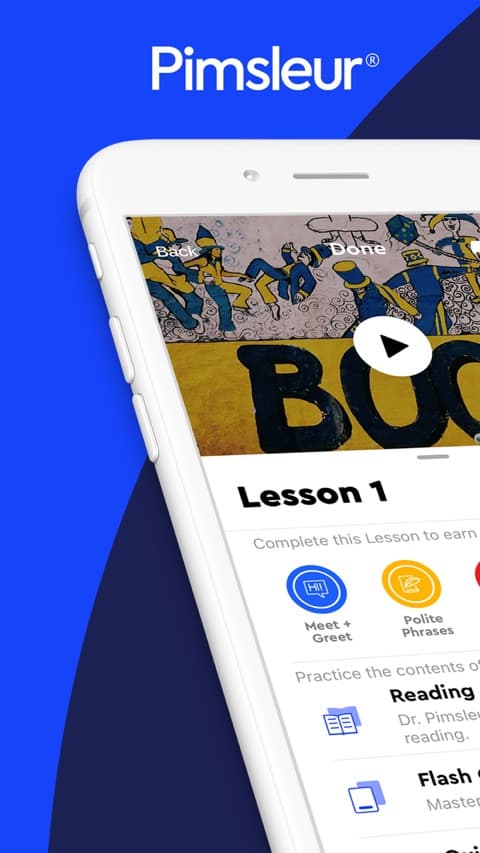
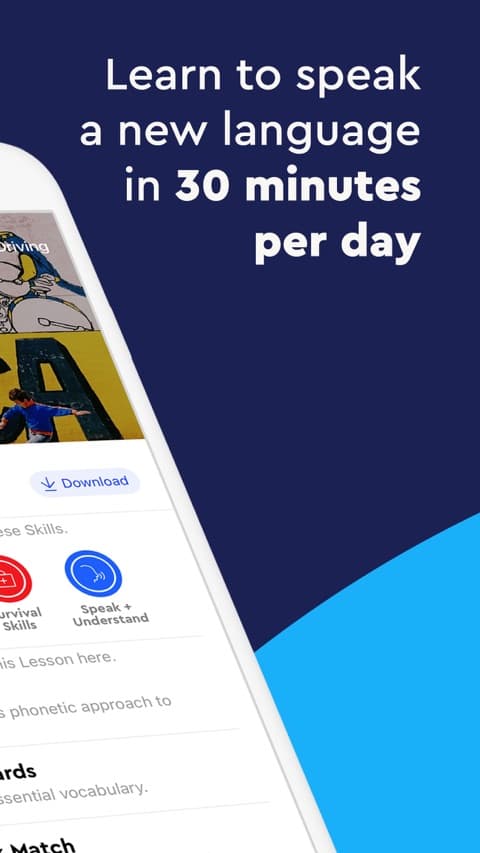
Pimsleur is deliberately old-school in the best way: audio-first call-and-response drills that force you to produce Russian aloud. You repeat after native speakers, answer prompts under time pressure, and build cadence before you worry about spelling.
That makes it a mismatch if you need to read menus or type emails today — Cyrillic is barely touched early on. But for pronunciation, stress patterns, and spoken confidence in a car or on a walk, few apps match the method.
Pricing (2026)
- Model: Paid subscription or bundles — primarily a paid product; store trials may appear. We do not list prices here.
The verdict: Choose Pimsleur when speaking out loud matters more than literacy for the next 90 days.
Pros
- Trains mouth and ear together — excellent for accent and rhythm
- Hands-free mode fits walking, driving, chores
- Dialogues feel closer to real speech than many gamified lines
Cons
- Minimal reading/writing — you will parallel-track another tool for Cyrillic
- Pedagogy can feel slow to visually oriented learners
- Premium pricing compared with free-first competitors
Editorial ranking: 4.5 out of 5 starsRosetta Stone: The Immersion Veteran
Rosetta Stone is the name most people search for first — the app most associated with learning a language, period. Worth knowing before you download in 2026: longtime subscribers keep using the original Rosetta Stone Classic app, while new sign-ups now land on Rosetta Stone Sapphire, a rebuilt version of the same method with a more modern app around it.
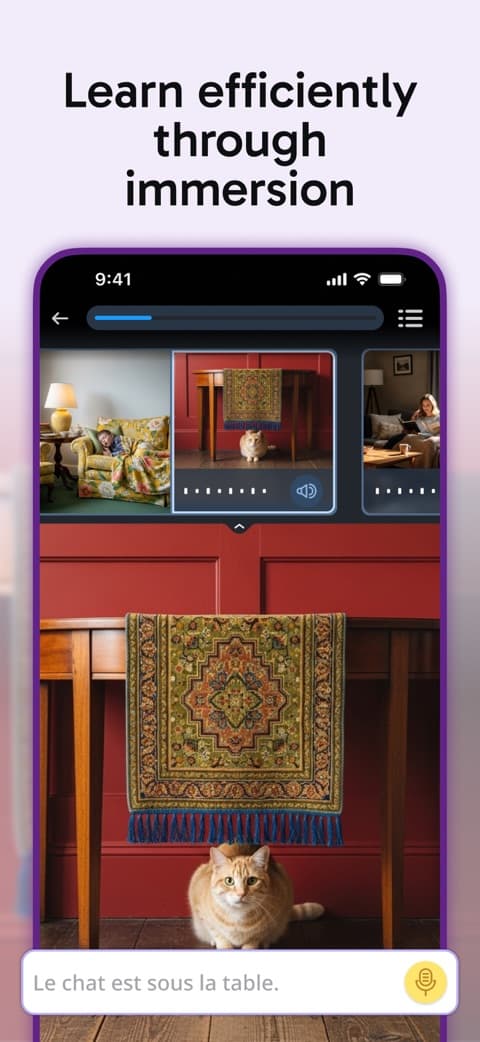
The core method hasn't changed in 30 years: no translation, ever. Every lesson teaches Russian through images, audio, and repetition — the way you picked up your first language. It genuinely builds an ear and an instinct for Cyrillic and sentence rhythm, but it explains nothing about grammar explicitly — you infer case patterns instead of being taught the six-case system outright.
Pricing (2026)
- Model: Subscription-based — no permanent free tier; monthly or annual plans. We do not list prices here.
The verdict: A respected, old-school immersion method in a new wrapper. Great if you learn best by absorbing patterns rather than being told them — but pair it with Russian Cases with Anna, since Rosetta Stone will never actually explain why a noun declines the way it does.
Pros
- Zero-translation immersion builds real intuition for Russian sentence structure
- TruAccent pronunciation tool compares your voice to native speakers in real time
- Three decades of brand trust, with the review volume to back it up
Cons
- No explicit grammar teaching — the six cases are never named or explained, only absorbed
- Pricier than most competitors, with no lifetime option currently offered
- Classic vs Sapphire confusion — existing subscribers keep the old app, new sign-ups get the rebuild
Editorial ranking: 4 out of 5 starsitalki: Real Human Connection
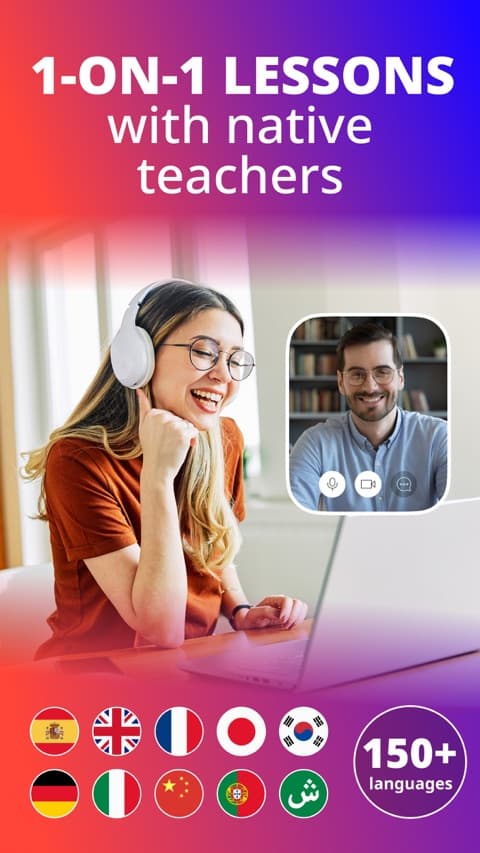
italki is not a course generator — it is a marketplace of humans. You pick professional teachers or community tutors, book 30–60 minute slots, and bring your own goals: "I freeze on cases," "TORFL prep," "conversation only." Lesson notes and homework vary by instructor, so read profiles and trial lessons matter.
Quality scales with how picky you are. Budget tutors can be fantastic; expensive ones are not automatically better. The platform simply removes the friction of finding *someone* who will speak Russian with you weekly.
Pricing (2026)
- Model: Per-lesson marketplace — you book tutors and pay each session at the rates they set in the app. We do not list prices here.
The verdict: The fastest cure for speaking anxiety and bespoke grammar questions — just budget time, not only money.
Pros
- Fully personalized feedback — ask about any case or nuance live
- Flexible scheduling across time zones
- Forces output — the bottleneck for most self-taught learners
Cons
- Requires calendar discipline and decent internet
- Quality varies; vet tutors with intro videos and reviews
- Not a passive "open app for two minutes" habit on its own
Editorial ranking: 4 out of 5 starsRussianPod101: The Infinite Audio Library
RussianPod101 is less an "app course" and more a planet-sized podcast archive with PDFs. You get slow readings, line-by-line breakdowns, slang series, exam prep, and deep dives on cases or aspect — if you can find the right playlist.
Strength is breadth; weakness is navigation. Without a self-made study plan, it is easy to bounce between shiny lessons and never finish a sequence. Treat it like a library card: incredibly powerful when you know what shelf to walk to.
Pricing (2026)
- Model: Free rotating sample + subscription tiers — try content for free on rotation; full library via paid plans. We do not list prices here.
The verdict: Best for intermediate+ listeners who want grammar explained in audio and do not mind curating their own path.
Pros
- Depth rivals textbooks — entire series on cases, verbs of motion, etc.
- PDF notes often include tables you can screenshot for later
- Excellent while commuting or doing chores
Cons
- UI and library size overwhelm beginners
- Little interactive production — mostly input-focused
- Upsells and tier names can feel confusing — read the fine print
Editorial ranking: 3.5 out of 5 starsClozemaster: For the Intermediate Learner
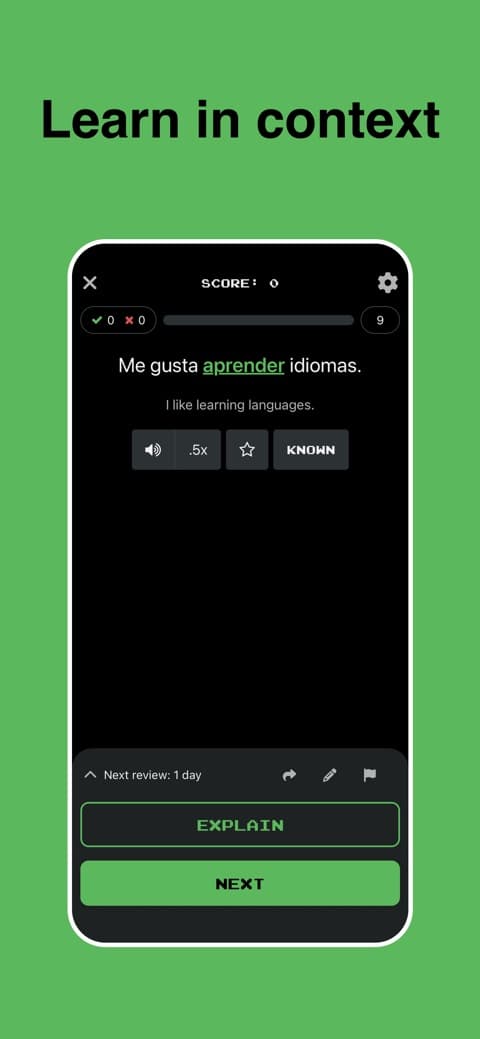
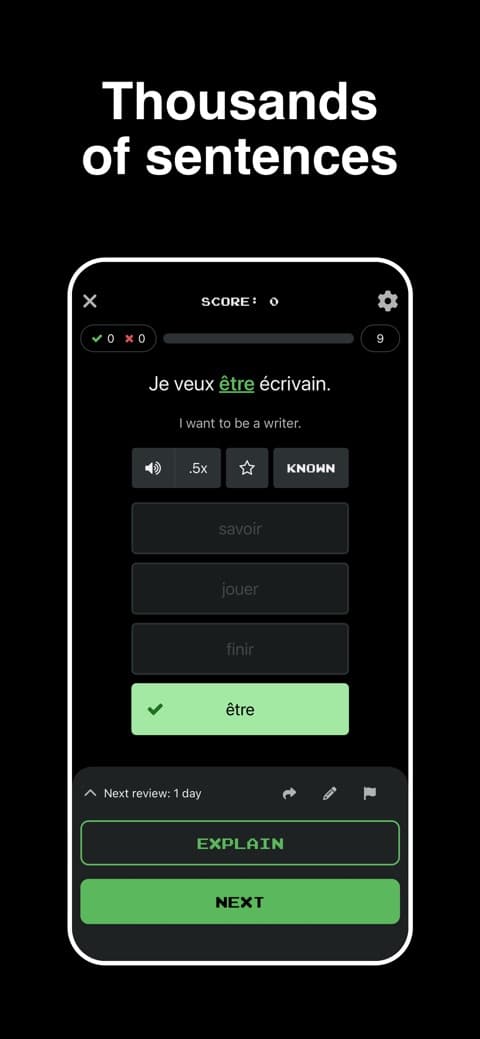
Clozemaster assumes you already know what cases are and pushes you to pick correct endings inside real sentences at speed. It is gamified mass exposure: fill the blank, hear the line, move on. Your brain starts pattern-matching prepositions to cases without conscious chart reading.
Beginners without Cyrillic comfort will feel lost — this is the "bridge" app after Duolingo stops hurting. Pair it with explicit lessons (Babbel, Russian Cases with Anna) so you are not guessing forever.
Pricing (2026)
- Model: Free + subscription — start with a free tier (often with limits or ads) and subscribe in-app for more. We do not list prices here — they vary by region and plan.
The verdict: Our favorite B1+ gym for turning known rules into automatic choices.
Pros
- Thousands of authentic sentences — incredible for collocations
- Forces active recall of endings, not passive recognition
- Retro arcade vibe keeps long sessions tolerable
Cons
- Almost no explicit teaching — bring your own grammar foundation
- Not for day-one learners still decoding the alphabet
- Visual design is functional, not luxurious
Editorial ranking: 3.5 out of 5 starsDrops: The Visual Vocabulary Builder
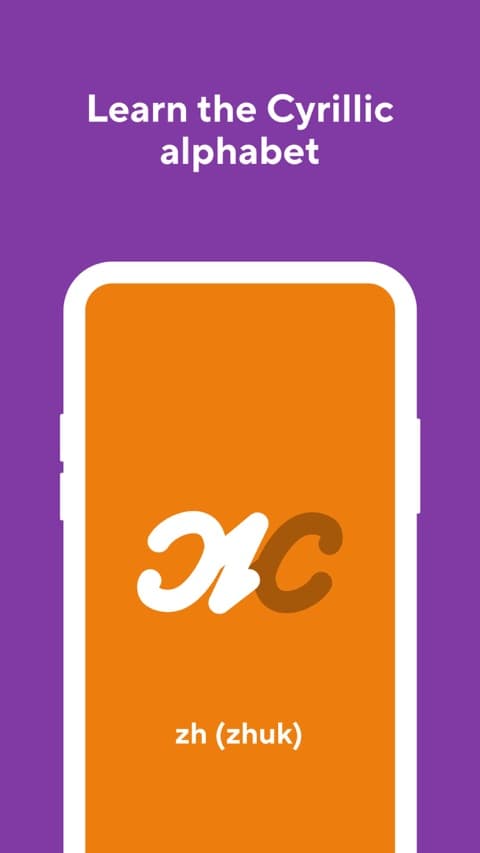
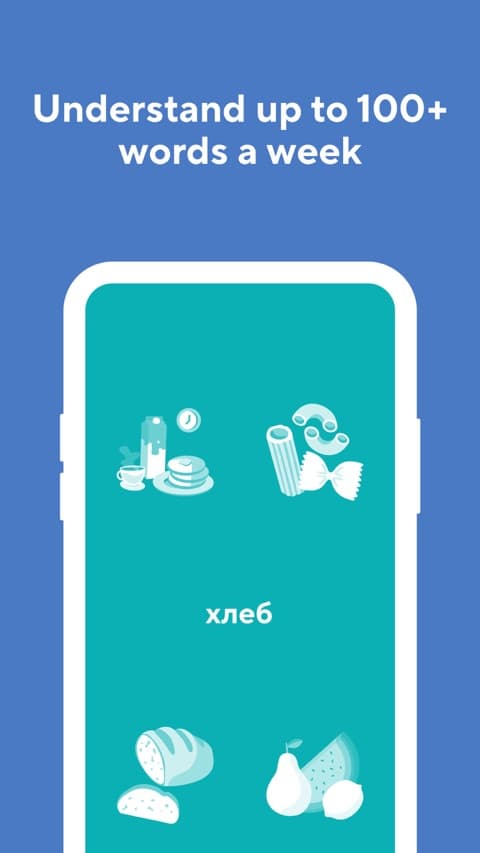
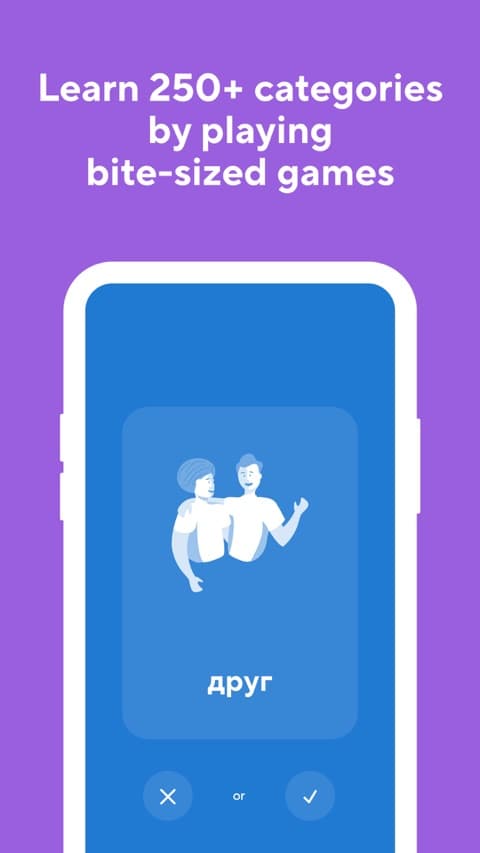
Drops leans hard into micro-sessions: five minutes a day of icon-driven vocabulary drops. You swipe, match, and associate Cyrillic words with minimalist illustrations — almost no traditional grammar screens.
That makes it a brilliant Cyrillic and noun booster, and a weak standalone Russian strategy. Use it when you want low-friction vocabulary growth without opening a "serious" textbook app.
Pricing (2026)
- Model: Free + subscription — a limited free daily window with an in-app subscription to unlock more time. We do not list prices here.
The verdict: A gorgeous side dish for vocabulary and script — never the main protein.
Pros
- Stunning UI lowers the activation energy to open the app
- Great for alphabet and concrete nouns with low cognitive load
- Micro-session design fits busy schedules
Cons
- No meaningful grammar path — cases barely exist here
- Words appear in isolation relative to sentence-heavy apps
- Daily cap on free tier frustrates motivated beginners
Editorial ranking: 3 out of 5 stars


Frequently asked questions
- What is the best app to learn Russian?
- It depends on your goal. For daily habit, Cyrillic, and a gentle start, Duolingo tops our 2026 ranking. For structured grammar in context and adult-friendly explanations, Babbel is the strongest all-rounder. If Russian cases and declensions are what slow you down, Russian Cases with Anna is the specialist we recommend stacking on top—not a second full curriculum.
- Is Duolingo enough to learn Russian?
- Duolingo is excellent for consistency and early exposure, but it will not carry you through the six-case system on its own. Patterns show up through drills, not deep rule-based teaching. Most serious learners pair Duolingo with a grammar-first app (Babbel, Busuu) and, when cases bite, Russian Cases with Anna or Clozemaster for endings in real sentences.
- What is the best app for Russian grammar and cases?
- For cases and declensions specifically, Russian Cases with Anna is built around the six cases, singular and plural, with hundreds of nouns and targeted quizzes. For broad grammar across levels (not only cases), Babbel and Busuu explain rules in context better than pure gamified apps. Use one broad course plus a case specialist once you feel endings are guesswork.
- Babbel or Duolingo for Russian — which is better?
- They solve different jobs. Duolingo wins on low friction and daily streaks—great if you need something you will actually open every day. Babbel wins on clearer grammar pedagogy and more natural dialogues for travel and real life. Our typical stack: Duolingo (or similar) for the habit layer, Babbel when you want explanations, then a specialist when cases need dedicated drills.
- What is the best app to practice Russian conversation?
- For live speaking, italki is the fastest path to real feedback—you book tutors and bring your own goals. Busuu Premium adds community corrections on writing and short speaking prompts. Pimsleur is not "conversation with a human," but it is outstanding audio-first practice for pronunciation and rhythm when you are often hands-free.
- How many Russian learning apps should I use?
- We recommend two to three at most: one broad habit or course app, one tool that matches your bottleneck (cases, listening, or sentence exposure), and optionally one human or community layer (tutor, corrections, tandem). More apps usually mean more tab switching, not more fluency—pick a stack and stay with it for months.
- What is the best free app to learn Russian?
- Strong free tiers include Duolingo (daily habit), Clozemaster (sentence-level endings once you are past pure beginner), and Russian Cases with Anna plus the free declension quiz on this site for focused case practice without installing anything. "Best free" still depends on whether you need habit, grammar depth, or case drills—combine free layers instead of expecting one app to do everything.
Final verdict: the serious-learner stack for 2026
If there is one thing we learned reviewing dozens of Russian learning tools in 2026, it is that the perfect all-in-one app is a myth. You cannot build a house with only a hammer — and you cannot build Russian you are proud of with only a game, only a phrase bank, or only a chatbot.
The learners who actually get past the case wall pair one broad app for daily habit and exposure with one specialist engine for the grammar Russian is famous for. Russian Cases with Anna is that engine: not a replacement for Duolingo or Babbel, but the complement serious students add when vague pattern-guessing stops being enough.
Our recommended 2026 stack:
- The habit & exposure layer (Duolingo, Babbel, or Busuu): Your daily bread — Cyrillic comfort, themed vocabulary, and gentle sentence patterns in a rhythm you can sustain for months.
- The precision layer (Russian Cases with Anna): Your secret weapon for declension and the six cases. General courses touch endings in passing; Russian Cases with Anna is built around them — structured lessons, hundreds of real nouns, and drills that make accurate endings automatic so your output stops sounding approximate.
- The live layer (italki, tandem, or voice practice): Once or twice a week, put vocabulary and grammar on the line with a real human (or high-quality voice dialogue). That is where habit and precision turn into spoken Russian.
The bottom line: resist app overload. Pick one broad habit app, add Russian Cases with Anna for cases, and protect a weekly slot for conversation. Consistency beats collecting logos — especially if you are serious about sounding clear, not just busy.
That completes our top-11 roadmap: from gamified giants to specialized engines — build a stack, not a monoculture.